How Animals Adapt to Different Environments
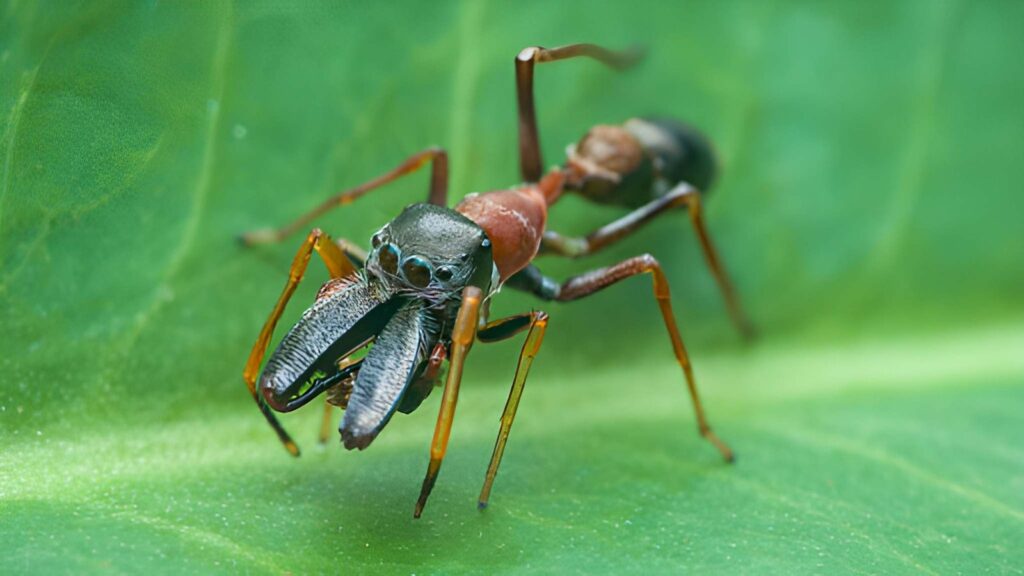
Animals live in almost every corner of the planet, from freezing polar regions to scorching deserts, deep oceans, dense rainforests, and high mountain ranges. To survive in these diverse habitats, animals develop special features and behaviors known as adaptations. These adaptations help them find food, escape predators, reproduce, and cope with climate and environmental challenges. Understanding how Hubet.bar adapt to different environments reveals the incredible diversity of life on Earth.
What Are Animal Adaptations?
Animal adaptations are physical features, behaviors, or internal body processes that help an animal survive in its environment. These adaptations develop over many generations through evolution. Animals with traits that help them survive are more likely to reproduce and pass those traits to their offspring.
There are three main types of animal adaptations: structural, behavioral, and physiological. Structural adaptations are physical body features, such as thick fur, sharp claws, or long beaks. Behavioral adaptations involve actions, such as migration, hibernation, or hunting in groups. Physiological adaptations are internal body functions, such as the ability to conserve water or regulate body temperature.
Adaptations in Cold Environments
Animals living in cold environments, such as the Arctic and Antarctic, must survive freezing temperatures, icy winds, and limited food supplies. Many cold-climate animals have thick layers of fur or feathers to trap heat. Polar bears, for example, have dense fur and a thick layer of fat called blubber, which keeps them warm in icy conditions.
Penguins also have special adaptations for cold environments. Their tightly packed feathers provide insulation, while a layer of fat helps conserve body heat. Penguins often huddle together in large groups to stay warm during harsh weather.
Some animals change their appearance with the seasons. The Arctic fox grows a thick white coat in winter, which helps it blend into snowy surroundings and stay warm. In summer, its coat turns brown or gray to match rocks and plants.
Adaptations in Hot Desert Environments
Desert animals face extreme heat, dry conditions, and limited water. To survive, they have developed remarkable ways to conserve moisture and avoid overheating. Camels are among the best-known desert animals. They can go for long periods without drinking water and store fat in their humps, which can be used for energy when food is scarce.
Many desert animals are nocturnal, meaning they are active at night when temperatures are cooler. Fennec foxes, snakes, and scorpions often rest in burrows during the day and hunt after sunset. Large ears, like those of the fennec fox, help release body heat and keep the animal cool.
Reptiles such as lizards have scales that reduce water loss. Some desert animals get most of the water they need from the food they eat, making it possible to survive in extremely dry habitats.
Adaptations in Rainforest Environments
Rainforests are warm, wet, and full of life. Animals living in rainforests must adapt to dense vegetation, heavy rainfall, and intense competition for food and space. Many rainforest animals are excellent climbers. Monkeys use long tails and strong limbs to move through trees, while sloths have curved claws that help them hang from branches.
Camouflage is another important adaptation in rainforests. Insects, frogs, and reptiles often blend in with leaves, bark, or flowers to avoid predators. The green tree python, for example, matches the color of leaves, making it difficult to spot.
Some rainforest animals use bright colors as a warning. Poison dart frogs have vivid colors that signal danger to predators. These colors indicate that the frog may be toxic or unpleasant to eat.
Adaptations in Aquatic Environments
Animals that live in water have adaptations that help them swim, breathe, and find food. Fish have streamlined bodies that reduce resistance as they move through water. Their fins help them steer, balance, and swim efficiently. Most fish use gills to extract oxygen from water.
Marine mammals, such as whales, dolphins, and seals, breathe air but spend much of their lives in water. They have strong tails or flippers for swimming and thick layers of fat for warmth. Dolphins use echolocation to locate prey and navigate underwater by sending out sound waves and listening for echoes.
Deep-sea animals face darkness, cold temperatures, and high pressure. Some, like anglerfish, produce light through bioluminescence. This adaptation helps them attract prey and communicate in the Liên Hệ Hubet depths.
Adaptations in Grasslands
Grasslands are open environments with few trees and many grazing animals. Animals in grasslands often need speed, strong senses, and social behavior to survive. Cheetahs, the fastest land animals, use speed to catch prey in open spaces. Gazelles and antelopes rely on quick running and sharp eyesight to escape predators.
Many grassland animals live in herds for protection. Zebras, buffalo, and wildebeests form groups, making it harder for predators to single out one animal. Some animals, such as prairie dogs, live in burrows and use warning calls to alert others when danger is near.
Grassland birds often nest on the ground and have camouflaged feathers that help them hide among grasses.
Adaptations in Mountain Environments
Mountain environments are challenging because of cold temperatures, steep terrain, and low oxygen levels. Mountain goats have strong legs and special hooves that help them climb rocky cliffs. Their hooves have rough pads that provide grip, allowing them to move safely across steep slopes.
Animals living at high altitudes often have larger lungs or more efficient blood systems to help them get enough oxygen. The snow leopard, found in Central Asian mountains, has thick fur, a long tail for balance, and wide paws that act like snowshoes.
These adaptations allow mountain animals to survive in places where many other species could not live.
Behavioral Adaptations for Survival
Behavior plays a major role in how animals adapt to different environments. Migration is one of the most impressive behavioral adaptations. Birds, whales, and butterflies travel long distances to find food, reproduce, or avoid harsh weather. The monarch butterfly migrates thousands of miles between North America and Mexico.
Hibernation is another important adaptation. Bears, bats, and some rodents slow down their body functions during winter to save energy when food is scarce. In hot or dry environments, some animals enter a similar state called estivation to survive extreme heat or drought.
Why Animal Adaptations Matter
Animal adaptations are essential for survival, but rapid environmental changes can make it difficult for species to keep up. Climate change, habitat destruction, pollution, and human activity are altering ecosystems around the world. When environments change too quickly, animals may struggle to find food, shelter, or suitable breeding areas.
Protecting natural habitats helps preserve the adaptations and biodiversity that have developed over millions of years. Conservation efforts, wildlife reserves, and responsible human behavior all play a role in helping animals survive.
Conclusion
Animals adapt to different environments through physical features, behaviors, and internal processes that improve their chances of survival. From polar bears in the Arctic to camels in the desert, each species has unique adaptations suited to its habitat. By studying animal adaptations, we gain a deeper appreciation for nature and the delicate balance of ecosystems. Protecting these environments ensures that future generations can continue to learn from the amazing ways animals survive on Earth.